Sketchtron – Robotic Writing System
Sketchtron is a technical project focused on enabling a robotic arm to write legible characters by translating digital input into precise physical motion. The goal of the project was to bridge software and hardware by converting human‑provided text or drawings into machine‑executable commands that controlled robotic movement.
As the team lead, I played a central role in designing and implementing the system’s software logic. I helped develop a Java‑based program that accepted user input and translated it into motion instructions that the robotic arm could execute accurately. This required breaking down complex inputs into smaller, structured commands that the hardware could interpret consistently.
In addition to programming, I contributed to the design of an intuitive user interface that allowed users to interact naturally with the system. The interface supported both typed input and drawn characters, enabling dynamic responses from the robot based on user prompts. Through this project, I gained experience in system‑level thinking, debugging software‑hardware interactions, and working within a collaborative engineering team.
Sketchtron strengthened my interest in computer engineering by demonstrating how software can directly control physical systems. It also improved my leadership, communication, and problem‑solving skills, as I regularly explained technical concepts to teammates and adapted solutions based on testing results.

Pokédex - Embdedded Systems Discovery Project
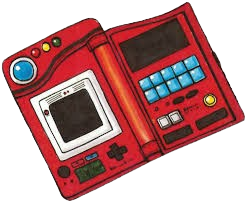
Inspired by the Pokémon series, the Pokédex is a Discovery Project focused on creating a simplified handheld device using a microcontroller-based embedded systems (Arduiono). The goal of this project was to design a device that could display basic Pokémon information - such as name, Pokédex number, and type - while allowing users to physically interact with the system through hardware inputs (buttons). The project emphasized the connection between software logic / code and hardware components, highlighting how embedded systems integrate code with physical inputs and outputs to create functional, user-interactive devices.
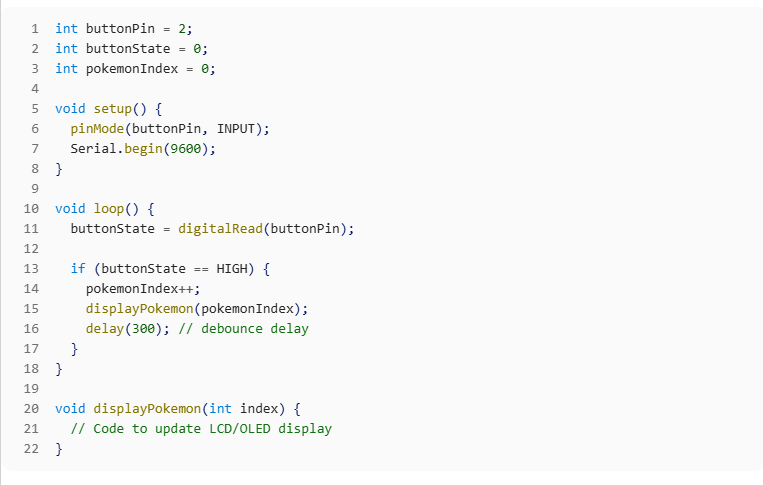
Throughout this solo project, I was responsible for both the hardware setup and the embedded software development. This included obtaining all required hardware components through on‑campus resources, wiring the display and buttons, and programming the microcontroller to store Pokémon data and respond accurately to user input (C/C++). I implemented control logic that allowed users to scroll through Pokémon entries, update the display dynamically, and interact smoothly with the system. Structuring data efficiently and ensuring reliable communication between hardware and software components were critical parts of the development process.
During the implementation and testing phrase, I encountered many challenges such as inconsistent and delayed button inputs and display formatting issues. These obstacles required extensive and complex debugging and testing, often resulting in breaking the system down into small individual components to identify where the problems were orignating from, either that being a hardware or software issue. Although these obstacles slowed progress at times and were difficult to overcome, they improved my ability to troubleshoot problems, specifically in embedded systems, effectively as well as provide valuable learning opportunities such as debugging strategies, differentiating hardware-related and software-related issues, and hands-on experience with system testings
Overall, the Pokédex Discovery Project not only strengthened my interest in embedded systems and computer engineering but also aligned with a personal interest of mine - Pokémon. It improved my problem-solving and critical thinking skills, reinforced ECE concepts such as digital input/output, hardware-software integration, and embedded systems refinement. Completing this project not only increased my confidence in working with microcontrollers, but it also increased my confidence in completing solo projects. If I were to continue developing this project I would have added graphical sprites for the Pokémon or incorporate wireless features to enhance user interactivity and system functionality.
Materials & System Components
- Microcontroller (Arduino)
- Served as the main processing unit
- Ran the embedded code and controlled all inputs and outputs
- Display (OLED)
- Used to show Pokémon information
- Required screen initialization and formatting
- Push Buttons
- Configured as digital inputs
- Allowed users to scroll through Pokémon entries
- Supporting Hardware
- Breadboard for prototyping